


Autoclaved Aerated Concrete (AAC) and Autoclaved Lightweight Concrete (ALC) are two popular lightweight wall materials widely adopted in modern construction across GCC countries including Saudi Arabia, UAE, Qatar and Kuwait. Many builders confuse these two materials, as they share similar raw materials and autoclave production processes. However, there are clear structural, construction and performance differences between AAC blocks and reinforced ALC panels. Choosing the right option directly affects project progress, long-term air conditioning expenses and overall construction cost in the hot, arid Middle Eastern climate.
What Are AAC Blocks and ALC Panels?
AAC Blocks are unreinforced aerated concrete masonry units. Made from sand, cement, lime and aluminium powder, they form millions of closed air pores after high-pressure steam curing. Without built-in steel reinforcement, AAC blocks are laid one by one with mortar during construction.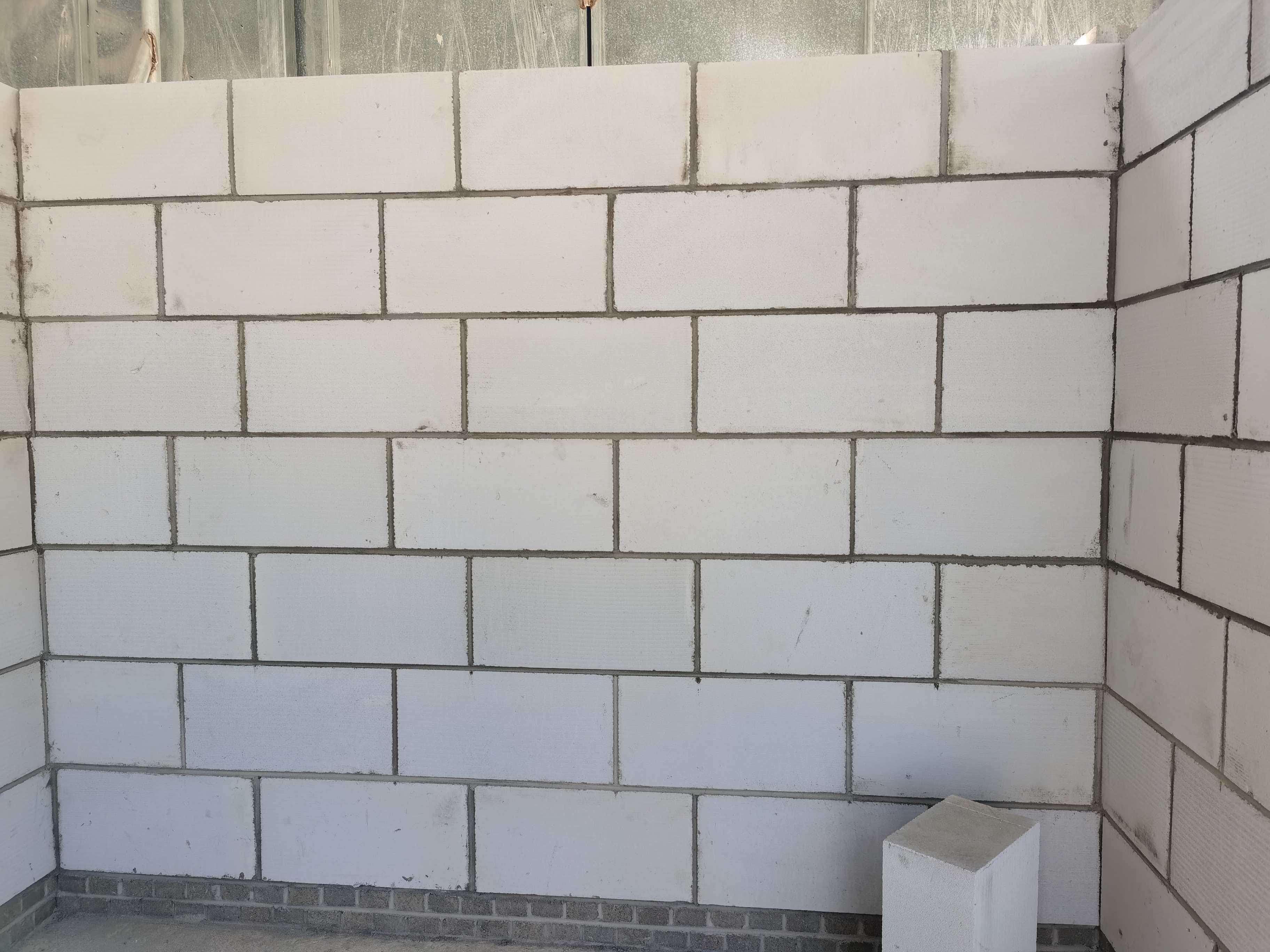
ALC Panels, also known as autoclaved lightweight concrete panels, belong to the AAC material family. The core difference is embedded anti-corrosion treated steel reinforcement mesh inside each panel. Factory prefabricated into large-size complete wall slabs, ALC panels are designed for fast dry installation on site.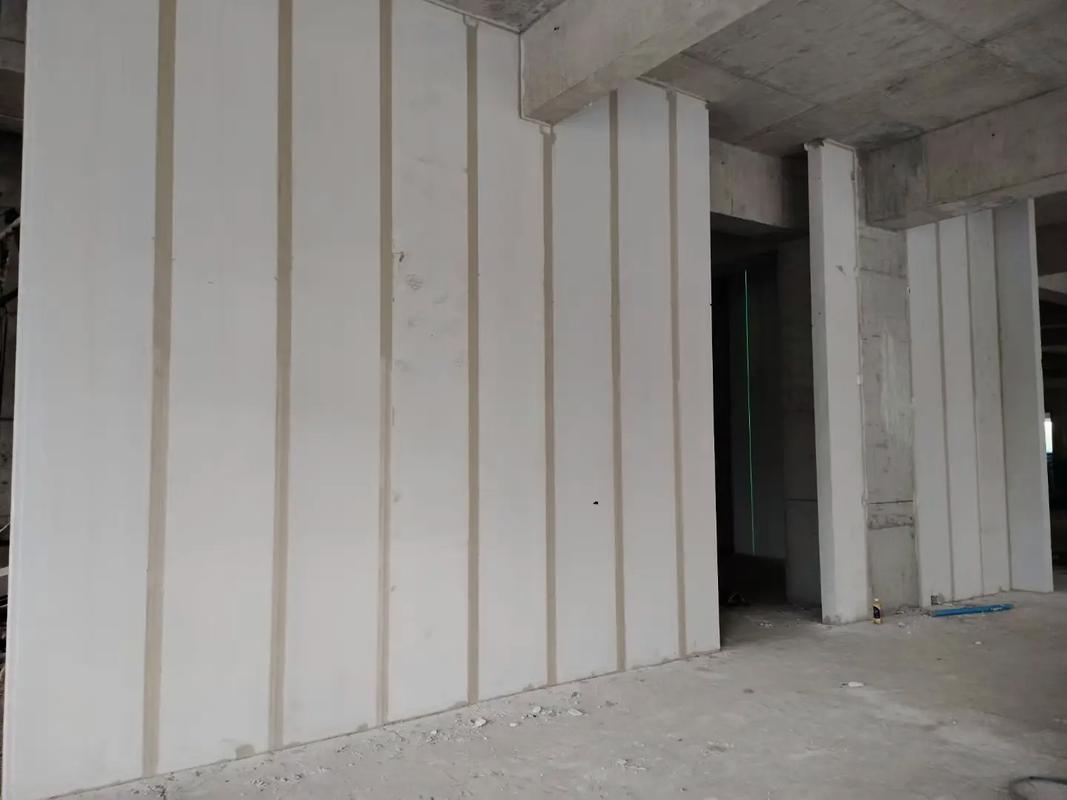
Core Differences Between AAC Blocks and ALC Panels
1.Internal Structure & Strength
AAC blocks have no steel reinforcement. Wall integrity relies entirely on mortar joints and structural columns. ALC panels contain reinforced steel mesh, delivering better overall stability, anti-cracking performance and load distribution capacity.
2.Construction Efficiency
AAC block masonry requires block laying, mortar filling, construction columns and horizontal beams. The whole process involves heavy wet work and longer construction cycles.
ALC panels are large-format precast slabs. Installation speed can be improved by 40%–60%. Most projects eliminate construction columns and wall plastering, greatly cutting labour costs, a critical advantage amid rising labour expenses in the Middle East.
3.Thermal Insulation Performance
Both materials feature low thermal conductivity. Nevertheless, AAC block walls have numerous mortar joints that create thermal bridges, weakening heat insulation. Continuous ALC panels have fewer joints, delivering more stable thermal insulation and better heat blocking effect in extreme summer heat.
4.Surface Finishing & Post-Construction Work
AAC block walls generally require full cement plaster to fix uneven surfaces, which adds material and labour work. Standard ALC panels achieve high flatness after installation; walls can directly receive putty and paint without full plastering.
5.Application Scenarios
AAC blocks are suitable for small-scale renovations, low-rise buildings and projects with limited lifting machinery.
ALC panels are the preferred solution for high-rise apartments, commercial malls, hotel projects and large prefabricated construction projects.
Unique Advantages of AAC & ALC Materials for the Middle East Climate
The Gulf region faces extreme high temperatures, strong sunlight and soaring cooling energy consumption. AAC and ALC lightweight materials match local construction demands perfectly:
1. Outstanding Thermal Insulation, Reducing AC Power Bills
The cellular porous structure effectively blocks outdoor heat transfer. Buildings using AAC or ALC walls can cut cooling energy consumption by 25%–35%. For long-term operation of residential buildings, offices and commercial facilities, this creates huge savings on electricity, which is a core concern for property developers in UAE and Saudi Arabia.
2. Lightweight Material to Lower Overall Project Costs
The density of AAC and ALC is only 1/4 of ordinary concrete. Lighter walls reduce vertical load on beams, columns and foundations. Engineers can optimise structural design, saving steel and concrete investment, which effectively lowers total construction budget.
3. Class A1 Non-Combustible Fire Safety
Both materials are inorganic non-flammable. A 100mm thick wall reaches up to 4-hour fire resistance. No toxic fumes release under high temperatures, meeting strict fire safety codes implemented across Middle Eastern cities.
4. Reliable Sound Insulation
The enclosed micro-pores absorb noise effectively. Walls can achieve 40–45 dB sound reduction, improving comfort for residential complexes, hotels and office buildings.
5. Adaptable to Dry Arid Environment
Compared with traditional clay bricks, properly installed AAC and ALC materials resist dry shrinkage cracks better. They do not easily absorb moisture in alternating day-night temperature cycles, reducing later maintenance risks in desert climate zones.
How to Choose Between AAC Blocks and ALC Panels in Middle East Projects
Choose AAC Blocks: Small renovation projects, low-rise villas, sites without tower cranes, projects prioritising low upfront material cost.
Choose ALC Panels: High-rise buildings, large commercial developments, projects with tight deadlines, developers aiming to cut later finishing work and reduce long-term cooling expenditure.
Final Conclusion
AAC blocks and ALC panels are energy-efficient lightweight building materials ideal for Middle Eastern construction. ALC panels excel at fast construction and integrated wall performance for large commercial and high-rise projects. AAC blocks remain a flexible, cost-effective selection for small and medium-sized works. Architects, contractors and investors should evaluate project scale, construction schedule and total lifecycle cost to make the most suitable wall material decision.
Share this article on LinkedIn
Share on LinkedInWe are a professional supply chain company from China.
We supply building materials and various general trading products for global contractors & distributors.
Contact us for latest price list and technical data.
WhatsApp: +86 13586607561
Email: blockpert@gmail.com